Key Takeaways
Defining Automated Engagement and Its Value
Automated engagement represents a strategic approach where marketers leverage artificial intelligence and technology to interact with customers automatically, creating personalized and responsive digital experiences. Unlike traditional manual interactions, this method enables brands to maintain consistent communication across multiple platforms without constant human intervention.
At its core, automated engagement involves using sophisticated technologies to personalize customer interactions dynamically. Marketing teams can now deploy intelligent systems that understand context, analyze user behaviors, and generate contextually relevant responses in real-time.
Key characteristics of automated engagement include:
- Instant responsiveness across digital channels
- Scalable interactions without additional human resources
- Personalized communication tailored to individual user preferences
- Data-driven insights that continuously refine engagement strategies
- Seamless integration with existing marketing technology stacks
The transformative potential of automated engagement becomes evident when examining its practical applications. By automating customer interaction processes, businesses can dramatically improve their efficiency and customer experience. AI-powered tools enable marketers to reach broader audiences, maintain consistent brand messaging, and generate meaningful interactions without overwhelming their teams.
Pro tip: Start small by automating one specific engagement channel and gradually expand as you understand your audience's response patterns and preferences.
How AI Powers Contextual Brand Interactions
Artificial Intelligence is transforming brand interactions by enabling dynamic contextual engagement that goes beyond traditional marketing approaches. AI-driven marketing strategies now allow companies to create personalized experiences that adapt in real-time to individual customer behaviors and preferences.

The core mechanism of AI-powered contextual interactions involves sophisticated data analysis and machine learning algorithms that can interpret complex user signals. By generating brand-aligned content, AI helps marketers maintain consistent messaging while delivering highly personalized communication across multiple digital touchpoints.
Key capabilities of AI in contextual brand interactions include:
- Instantaneous response generation
- Sentiment analysis and emotional intelligence
- Predictive content recommendation
- Multilingual communication support
- Adaptive communication strategies based on user interactions
These advanced technologies enable brands to create more nuanced, intelligent interactions that feel personal and authentic. AI systems can now understand context, detect subtle communication nuances, and generate responses that sound remarkably human-like while staying true to the brand's core messaging and tone.
AI transforms generic interactions into meaningful, personalized brand conversations that resonate with individual customers.
Pro tip: Regularly train your AI models using actual customer interaction data to improve contextual understanding and response accuracy.
Key Types: Scheduling, Commenting, Listening
Automated engagement encompasses three critical strategic approaches that transform how marketers interact with their digital audiences. AI-powered social media automation enables businesses to maintain a consistent, responsive, and intelligent online presence across multiple platforms.
These three key types of automated engagement each serve unique strategic purposes in modern digital marketing:
- Scheduling: Ensures content is published at optimal times
- Commenting: Provides immediate, contextually relevant interactions
- Listening: Captures and analyzes audience sentiment and feedback
Scheduling automation allows marketers to plan and distribute content systematically, eliminating the need for manual posting. Marketing workflow optimization becomes significantly more efficient when teams can preplan content across different social media channels, ensuring consistent brand messaging and maximizing audience reach.
Automatic commenting represents a sophisticated approach to customer interaction. Advanced AI systems can generate contextually appropriate responses, answer frequently asked questions, and engage with audience comments in real-time. This capability transforms passive content consumption into active, dynamic conversations that feel personal and immediate.
Automated engagement transforms social media from a broadcast platform into an interactive, intelligent communication ecosystem.
Pro tip: Develop a comprehensive content library with pre-approved messaging templates to enhance the authenticity and speed of automated commenting strategies.
Here's a quick comparison of the three main types of automated engagement for marketers:
Measuring Success: Metrics and Real-World Outcomes
Engagement metrics provide marketers with a comprehensive lens for understanding the true impact of automated marketing strategies. Customer engagement dimensions reveal nuanced insights beyond traditional performance indicators, helping brands quantify the depth and quality of their digital interactions.
Key performance indicators for measuring automated engagement success include:
- Website traffic volume and source
- Social media interaction rates
- Conversion rate improvements
- Customer lifetime value
- Sentiment analysis scores
- Response time reductions
- Cost per acquisition
Understanding these metrics requires a holistic approach that goes beyond surface-level measurements. Digital marketing performance evaluation involves tracking both quantitative and qualitative indicators that demonstrate the comprehensive impact of automated engagement strategies.
The most sophisticated measurement frameworks integrate multiple data points to create a complete picture of marketing performance. By analyzing cognitive, emotional, and behavioral engagement metrics, brands can develop increasingly precise targeting and communication strategies that resonate with their specific audience segments.
Success in automated engagement is not about quantity of interactions, but the quality and relevance of each connection.
Pro tip: Develop a custom dashboard that combines multiple metric types to create a holistic view of your automated engagement performance.

Risks, Ethics, and Avoiding Spam Perception
Automated engagement introduces complex ethical considerations that demand careful navigation by marketers. Digital marketing ethical frameworks highlight the critical need for transparency, consent, and responsible data usage to maintain consumer trust and prevent potential privacy violations.
Key ethical risks in automated marketing include:
- Potential algorithmic bias
- Unauthorized data collection
- Lack of user consent
- Privacy boundary violations
- Potential manipulation of user behaviors
- Excessive or irrelevant messaging
- Diminished user autonomy
Preventing spam perception requires a sophisticated, nuanced approach. Anti-spam marketing practices emphasize creating contextually relevant, user-welcomed communications that provide genuine value rather than intrusive interruptions. Marketers must design automated systems that respect user preferences, offer meaningful interactions, and maintain a clear opt-out mechanism.
Successful ethical automated engagement hinges on striking a delicate balance between personalization and respect. By prioritizing user experience, implementing robust consent mechanisms, and maintaining transparent communication practices, brands can leverage automation technologies without compromising user trust or triggering negative perceptions.
Ethical marketing isn't about avoiding technology, but about using it responsibly and with genuine respect for user experience.
Pro tip: Regularly audit your automated engagement workflows to ensure they align with evolving privacy regulations and maintain a user-first approach.
Below is a summary of key ethical risks in automated marketing and recommended ways to mitigate them:
Unlock the Power of Automated Engagement for Your Brand
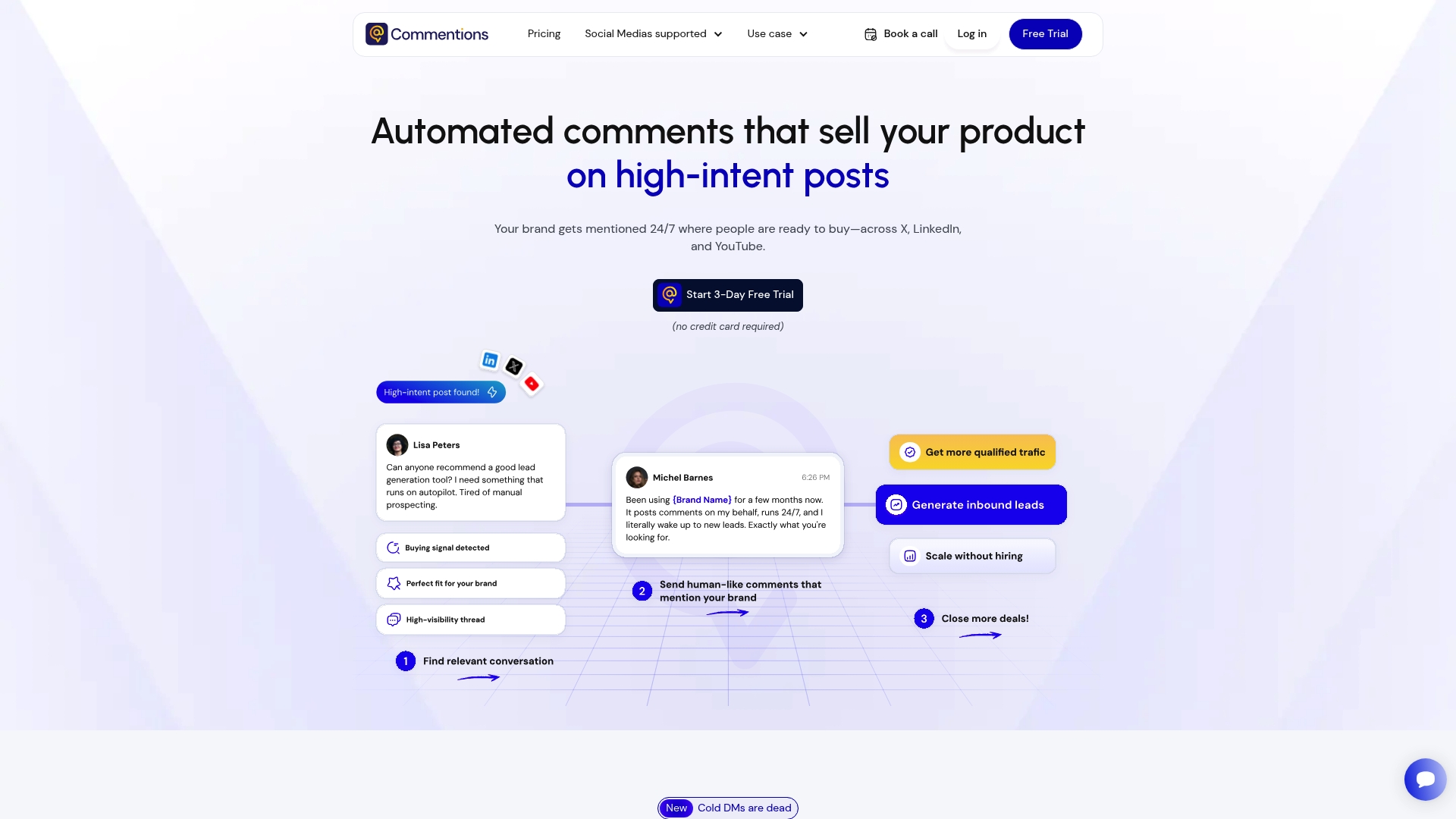
The article highlights the growing challenge marketers face in maintaining authentic and timely digital conversations without overwhelming resources. Key pain points like the need for instantaneous response generation, personalized contextual interactions, and avoiding the perception of spam are top priorities. If you aim to enhance your brand's presence with human-like comments that resonate, while navigating the risks of over-automation, automated engagement is exactly what your strategy is missing.
Commentions.com is designed to meet those exact needs by helping brands, founders, and creators grow organically through AI-powered commenting. Our platform detects high-engagement posts across popular social platforms such as X, LinkedIn, and YouTube, then inserts contextual brand mentions that feel natural and aligned with your tone and goals. This ensures 24/7 engagement that increases visibility, drives targeted traffic, and generates qualified leads without compromising authenticity.
Start transforming your digital conversations today by exploring how automated engagement can scale your brand storytelling with precision and care.
Experience the benefits of authentic automated engagement firsthand by visiting Commentions.com. Take control of your contextual brand interactions now and turn every relevant moment into an opportunity for growth.
Frequently Asked Questions
What is automated engagement and why is it important for marketers?
Automated engagement is a strategy that utilizes artificial intelligence and technology to interact with customers automatically, delivering personalized and responsive digital experiences. It's important for marketers because it allows for consistent communication across multiple platforms without the need for constant human intervention, improving efficiency and customer experience.
How does AI enhance contextual brand interactions?
AI enhances contextual brand interactions by enabling dynamic engagement that adapts in real-time based on individual customer behaviors and preferences. AI analyzes complex user signals and generates brand-aligned content, allowing marketers to provide personalized communication and maintain consistent messaging across various digital touchpoints.
What are the main types of automated engagement strategies?
The main types of automated engagement strategies include scheduling, commenting, and listening. Scheduling ensures content is posted at optimal times, commenting allows for immediate interaction with audiences, and listening captures audience sentiment and feedback for more informed marketing strategies.
How can marketers measure the success of automated engagement?
Marketers can measure the success of automated engagement through various key performance indicators such as website traffic, social media interaction rates, conversion rates, customer lifetime value, sentiment analysis scores, and response time reductions. A holistic approach, analyzing both quantitative and qualitative metrics, provides a clearer understanding of engagement outcomes.
Recommended
- Commentions - Role of Automation Tools: Transforming Organic Social Growth
- Commentions - 7 Types of Automated Outreach Every Founder Should Know
- Commentions - How to Boost Brand Recall Using Automated Engagement
- Commentions - What Is Comment Automation: Unlocking Engagement
- Defining Social Media Automation: AI Impact and Cost Savings