Key Takeaways
Defining Brand Alignment and Key Concepts
Brand alignment represents the strategic process of synchronizing a company's external communications, internal culture, and core values to create a cohesive and authentic brand experience. At its core, this concept focuses on ensuring that every interaction and communication reflects the brand's fundamental identity and promise.
Research indicates that brand alignment is more than just consistent messaging - it's about creating a holistic ecosystem where brand positioning and storytelling converge. Successful brands understand that alignment requires a comprehensive approach encompassing multiple dimensions:
- Internal Engagement: Ensuring employees embody and understand brand values
- External Communication: Maintaining consistent messaging across all platforms
- Community Building: Creating meaningful connections with target audiences
- Value Proposition: Clearly articulating what makes the brand unique
The philosophical underpinnings of brand alignment suggest that it serves as a strategic enabler for authentic value creation. Corporate brand alignment frameworks emphasize the critical importance of coherence between internal perceptions and external representations. This means every touchpoint - from customer service interactions to social media posts - must consistently reinforce the brand's core narrative.
Pro tip: Conduct a quarterly brand alignment audit by reviewing all communication channels and ensuring they accurately reflect your core brand values and messaging.
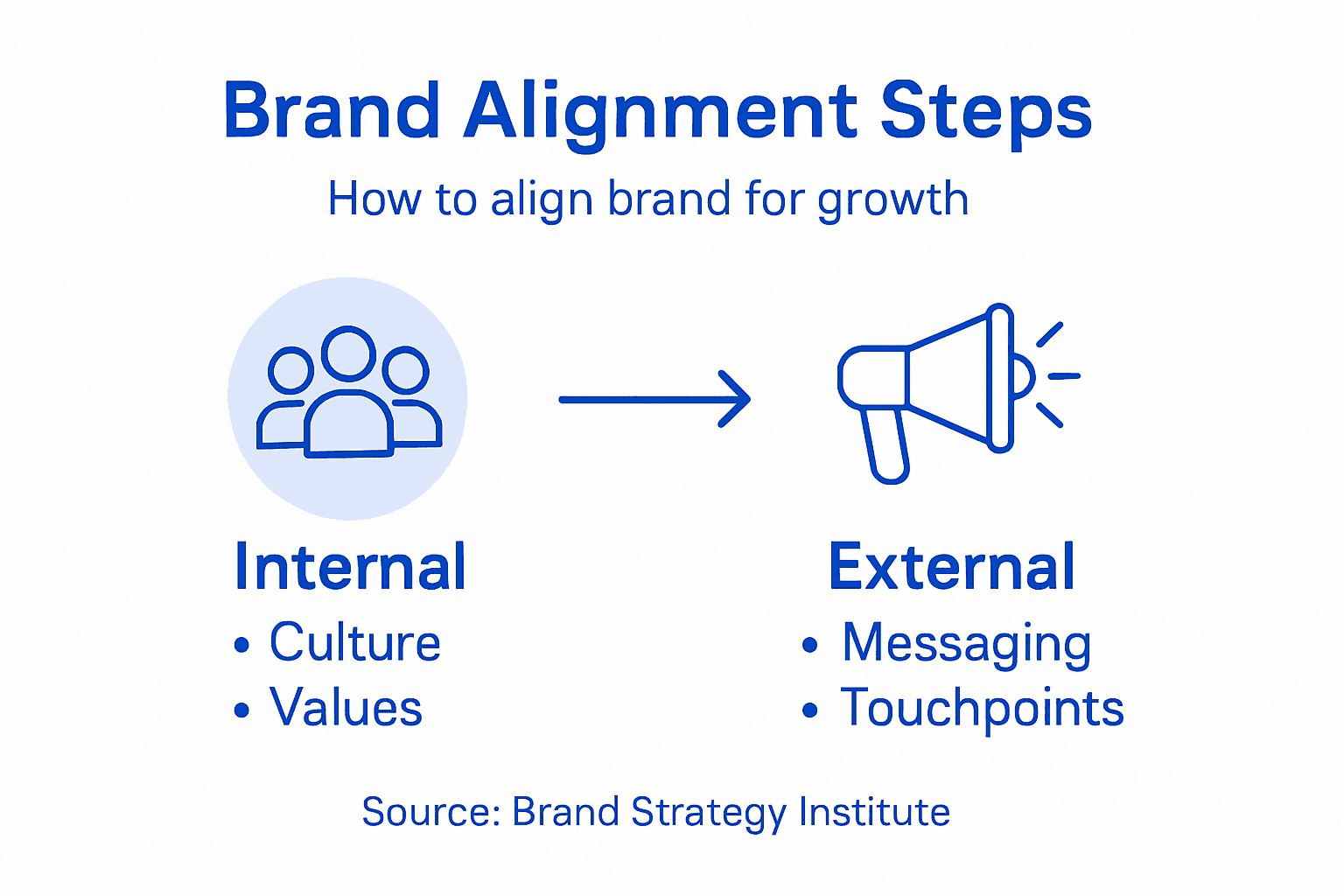
Internal vs. External Brand Alignment Types
Brand alignment fundamentally operates through two interconnected domains: internal and external perspectives. While these approaches might seem distinct, they are actually deeply symbiotic, requiring consistent communication and strategic integration to create a powerful, unified brand experience.
Internal brand alignment processes focus on ensuring that employees across all organizational levels understand, embody, and consistently deliver the brand's core values and promise. This involves creating a shared understanding through:
- Comprehensive employee training programs
- Clear communication of organizational mission
- Developing cultural mechanisms that reinforce brand identity
- Establishing reward systems that recognize brand-aligned behaviors
External brand alignment, by contrast, concentrates on how the brand communicates and connects with its target audience. Corporate brand alignment frameworks emphasize the importance of creating consistent messaging across all customer touchpoints, from marketing materials to direct interactions. This means every external communication must authentically represent the brand's fundamental values and narrative.
The most successful organizations recognize that internal and external alignment are not separate strategies, but complementary approaches that mutually reinforce brand authenticity. When employees genuinely believe in and live the brand's values, this internal commitment naturally translates into more genuine, compelling external communications.
Here's a summary comparison of Internal vs. External Brand Alignment approaches:
Pro tip: Create cross-functional alignment workshops that bring together marketing, sales, and operations teams to ensure consistent brand messaging and understanding.
How Brand Alignment Works in Practice
Brand alignment transforms from an abstract concept to a tangible strategy through deliberate, systematic implementation across organizational functions. Practical brand alignment mechanisms require consistent coordination between internal teams and external communication channels to deliver a unified brand experience.
The implementation process typically involves several critical stages:
- Diagnostic Assessment: Evaluating current brand perception and identifying gaps
- Strategic Mapping: Developing clear guidelines for brand representation
- Cross-Functional Training: Ensuring all departments understand brand values
- Continuous Monitoring: Tracking brand consistency across touchpoints
Cross-functional collaboration strategies play a crucial role in operationalizing brand alignment. This means breaking down traditional silos between marketing, sales, product development, and customer service teams to create a holistic approach to brand representation. Organizations must develop communication protocols that enable seamless information sharing and consistent messaging.
Successful brand alignment requires more than just top-down directives. It demands creating a culture where every team member understands their role in representing the brand's core values. This involves developing comprehensive training programs, establishing clear communication guidelines, and creating feedback mechanisms that allow continuous refinement of the brand strategy.

Pro tip: Implement quarterly brand alignment workshops that bring together representatives from different departments to review and calibrate brand messaging and performance.
Authenticity and Consistency Across Touchpoints
Brand authenticity represents the critical cornerstone of meaningful customer relationships, transcending mere marketing rhetoric to create genuine emotional connections. Brand storytelling and identity alignment require meticulous attention to how brands communicate their core values consistently across every interaction point.
Authentic brand representation demands strategic coherence across multiple dimensions:
- Verbal Communication: Maintaining consistent messaging tone
- Visual Identity: Ensuring uniform design elements
- Customer Interactions: Delivering consistent service experiences
- Digital Presence: Aligning online and offline brand representations
Creative messaging strategies play a pivotal role in reinforcing brand authenticity. This involves crafting communication that feels genuine, transparent, and aligned with the brand's fundamental identity. Brands must develop a narrative framework that resonates across different platforms while maintaining core messaging integrity.
The most successful organizations understand that authenticity is not a static concept but a dynamic process of continuous engagement. It requires ongoing commitment to understanding audience perceptions, adapting communication strategies, and ensuring that every touchpoint reflects the brand's genuine character and values. This means going beyond superficial marketing tactics and creating meaningful connections that build long-term trust.
Pro tip: Conduct regular brand perception audits across different customer touchpoints to identify and address any inconsistencies in your brand's communication and experience.
Risks and Impact of Brand Misalignment
Brand misalignment represents a critical strategic vulnerability that can undermine an organization's reputation, operational effectiveness, and long-term growth potential. Corporate brand misalignment risks fundamentally disrupt stakeholder trust and create significant organizational challenges across multiple dimensions.
The primary risks of brand misalignment manifest through several critical pathways:
- Reputation Damage: Inconsistent messaging erodes consumer confidence
- Employee Confusion: Unclear brand direction reduces organizational motivation
- Strategic Inefficiency: Misaligned communication wastes resources
- Market Positioning: Weakened brand perception reduces competitive advantage
Misalignment creates a cascade of negative consequences that extend far beyond surface-level communication problems. When internal teams operate with divergent understandings of brand identity, it generates friction that translates into inconsistent customer experiences. This disconnect can lead to reduced customer loyalty, diminished market credibility, and ultimately, significant financial performance challenges.
The most profound impact of brand misalignment occurs when organizations fail to recognize the interconnected nature of their brand ecosystem. Communication gaps between departments, inconsistent messaging across platforms, and misunderstood brand values can rapidly erode the trust and authenticity that took years to build. Organizations must view brand alignment as a continuous, dynamic process requiring constant vigilance and strategic recalibration.
Below is a quick reference outlining the Impact of Brand Misalignment across business areas:
Pro tip: Implement a quarterly cross-departmental brand review process that audits communication consistency and identifies potential alignment gaps before they become significant problems.
Key Steps for Achieving Brand Alignment
Brand alignment is a strategic journey that requires systematic, intentional approaches to transform organizational culture and communication. Brand alignment strategies demand comprehensive frameworks that integrate multiple organizational dimensions.
The core steps for achieving effective brand alignment include:
- Define Clear Brand Promise
- Articulate unique value proposition
- Create precise brand positioning statement
- Establish measurable brand characteristics
- Develop Comprehensive Communication Guidelines
- Create consistent messaging frameworks
- Design brand voice and tone documentation
- Standardize communication protocols across departments
- Implement Cross-Functional Training
- Educate employees about brand values
- Develop engagement workshops
- Create feedback mechanisms
Cross-functional collaboration mechanisms represent the critical infrastructure for sustainable brand alignment. This requires breaking down traditional organizational silos, creating integrated communication channels, and ensuring every team member understands their role in representing the brand's core identity.
Successful brand alignment is not a one-time event but a continuous process of refinement and adaptation. Organizations must establish robust measurement systems that regularly assess alignment effectiveness, gathering insights from both internal stakeholders and external customers. This dynamic approach allows brands to remain responsive to changing market conditions while maintaining a consistent, authentic brand experience.
Pro tip: Create a quarterly brand alignment scorecard that tracks consistency across communication channels, employee understanding, and customer perception.
Drive Consistent Brand Alignment with Intelligent AI Engagement
Achieving brand alignment requires unwavering consistency and authenticity across every customer touchpoint. The challenges highlighted in the article — such as ensuring internal and external communications truly reflect your brand's core values — can slow growth and erode trust. If you struggle to maintain coherent, genuine engagement across social platforms it can feel overwhelming to coordinate messaging and cultural tone manually.
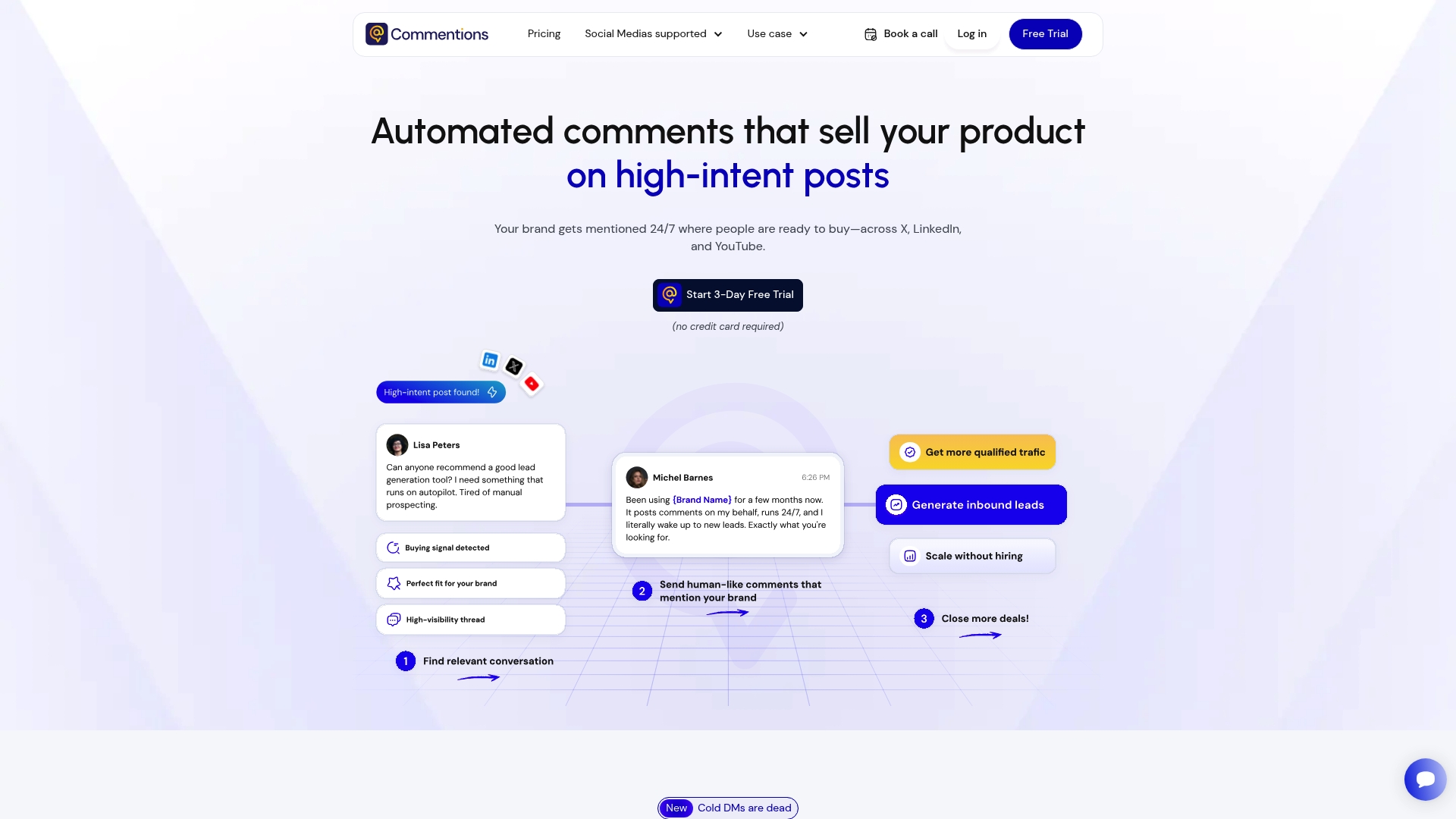
That is where Commentions.com offers a game-changing solution. Our AI-powered platform automatically identifies high-engagement posts on channels like X, LinkedIn, and YouTube and inserts naturally aligned comments that amplify your brand’s voice. This keeps your external messaging consistent while driving relevant traffic and increasing visibility 24/7. By personalizing brand context, tone, and workflows, Commentions ensures your social interactions remain authentic and true to your strategic brand promise.
Don’t let brand misalignment risk your reputation and growth. Harness AI-driven organic engagement that supports internal alignment and authentic external storytelling today. Visit Commentions.com to see how you can transform your brand presence and start growing with better, aligned brand communications now.
Frequently Asked Questions
What is brand alignment?
Brand alignment is the strategic process of synchronizing a company's external communications, internal culture, and core values to create a cohesive and authentic brand experience.
Why is brand alignment important for companies?
Brand alignment is crucial because it enhances authenticity and consistency, builds trust with customers, and ensures that all communications reflect the brand's core identity, leading to long-term growth.
How can a company achieve internal brand alignment?
A company can achieve internal brand alignment by providing comprehensive employee training, clear communication of the organizational mission, reinforcing brand identity through cultural mechanisms, and establishing reward systems for brand-aligned behaviors.
What are the risks of brand misalignment?
The risks of brand misalignment include reputation damage, employee confusion, strategic inefficiency, and weakened market positioning, which can ultimately lead to reduced customer loyalty and financial performance challenges.