Quick Summary
1. Define Your Unique Value Proposition
Your personal value proposition is the strategic cornerstone of your entrepreneurial brand that communicates precisely why potential clients or collaborators should choose you over anyone else. Crafting a distinctive brand identity requires deep self-reflection and a clear understanding of your professional strengths.
At its core, a powerful value proposition distills your unique talents into a compelling narrative that answers three critical questions:
- What specific problems can you solve?
- How do your skills differ from competitors?
- What transformative results can you consistently deliver?
Successful entrepreneurs understand that a value proposition goes beyond listing skills. It involves articulating your professional philosophy and demonstrating the tangible impact you create. For instance, if you're a marketing consultant, your unique value might stem from combining data analytics expertise with creative storytelling techniques that generate measurably higher engagement rates.
Your personal value proposition is not just what you do, but the distinctive way you do it.
To develop a robust value proposition, entrepreneurs should conduct a thorough self-assessment by:
- Identifying your most distinctive professional strengths
- Understanding your target audience's specific challenges
- Analyzing how competitors approach similar problems
- Determining the unique perspective or methodology you bring
Authenticity is key. Your value proposition should genuinely reflect your skills, passions, and professional experiences. Clients and collaborators can quickly detect inauthentic messaging.
Pro tip: Create a one-paragraph personal value statement that you can confidently share in networking conversations, LinkedIn profiles, and client pitches.
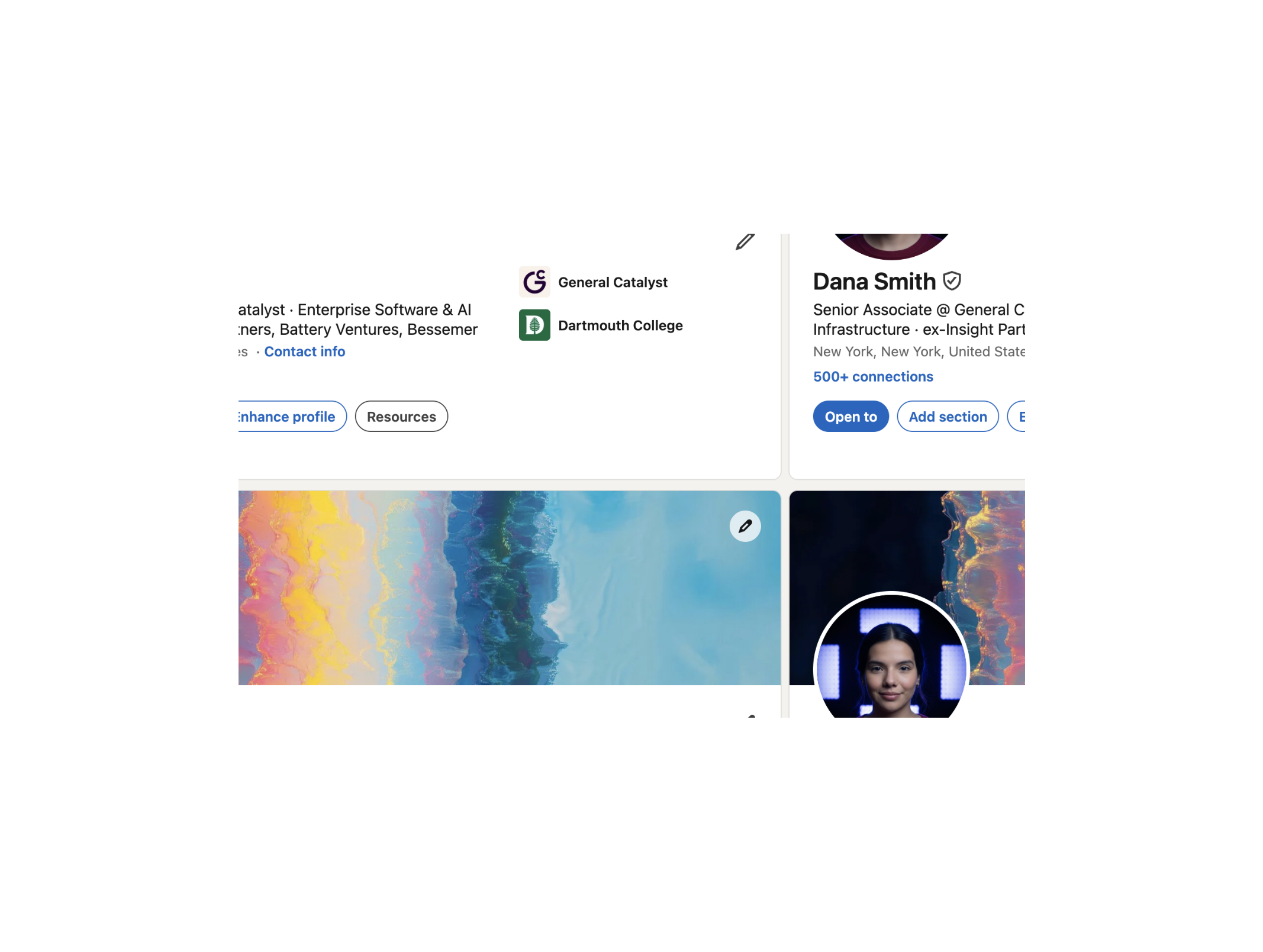
2. Audit and Optimize Social Media Profiles
Your social media profiles are digital billboards that represent your professional brand and potential opportunities. Carefully managing your online presence can significantly impact your entrepreneurial success.
A comprehensive social media profile audit involves several strategic steps:
- Ensuring consistent branding across all platforms
- Updating professional headshots and cover images
- Reviewing and refining your professional bio
- Removing outdated or irrelevant content
- Checking privacy and security settings
Entrepreneurs must recognize that every detail matters. Your profile picture, background image, bio description, and shared content collectively communicate your professional narrative. Professional storytelling happens through visual and textual elements.
Your social media profiles are your digital first impression - make them count.
Key areas to focus on during your audit include:
- Professional photo quality and representation
- Alignment of biographical information
- Relevance of shared content and posts
- Network connections and professional relationships
- Privacy and visibility settings
Transparency is crucial. Maintain clear disclosure practices for any sponsored content or professional endorsements to build credibility.
Pro tip: Schedule a quarterly social media profile review to ensure your digital presence remains current, professional, and aligned with your evolving entrepreneurial goals.
3. Craft a Consistent Visual Identity
Your visual identity is the visual language that communicates your professional essence across every digital and physical touchpoint. Maintaining consistent brand elements transforms scattered impressions into a powerful, recognizable brand narrative.
A strategic visual identity goes far beyond selecting attractive colors or a trendy logo. It involves creating a comprehensive visual system that represents your unique professional personality and values.
Key components of a compelling visual identity include:
- Color palette with 3-5 complementary colors
- Typography that reflects your brand personality
- Consistent logo usage and variations
- Graphic design elements and style guidelines
- Cohesive imagery and visual tone
Brand Recognition Happens Through Intentional Design. Your visual choices should tell a story about who you are and what you represent. Professional entrepreneurs understand that every visual element communicates a message.
Consistency transforms individual design elements into a memorable brand experience.
To develop a robust visual identity, entrepreneurs should:
- Define your core brand personality traits
- Select a color palette that emotionally resonates
- Choose typography that matches your professional image
- Create design templates for consistent presentation
- Audit your existing visual content for alignment
Thoughtful visual branding builds trust and helps potential clients or collaborators instantly understand your professional essence.
Pro tip: Create a personal brand style guide document that outlines your visual identity rules, ensuring consistent representation across all platforms and communication channels.
4. Develop a Content Sharing Strategy
Your content sharing strategy is the engine that drives your personal brand's visibility and engagement. Strategic content distribution transforms random posts into a powerful narrative about your professional journey.
A robust content strategy requires intentional planning and consistent execution. It is not about posting constantly but about sharing meaningful content that reflects your expertise and values.
Key elements of an effective content sharing approach include:
- Identifying your core content pillars
- Understanding your target audience's interests
- Selecting appropriate platforms for your niche
- Maintaining a consistent posting frequency
- Balancing original and curated content
- Engaging authentically with your audience
Content is the Currency of Personal Branding. Every piece you share should provide value communicate your unique perspective or solve a specific problem for your audience.
Your content strategy should be a deliberate reflection of your professional identity.
To develop a strategic content sharing approach:
- Map out your primary professional themes
- Create a content calendar
- Develop a mix of educational informative and personal content
- Track engagement and adjust your strategy
- Experiment with different content formats
Entrepreneurs who master consistent thoughtful content sharing differentiate themselves in crowded digital landscapes.
Pro tip: Spend 20% of your content creation time developing the content and 80% promoting and strategically distributing it across relevant professional networks.
5. Engage Authentically with Target Audience
Authentic audience engagement transforms digital connections from transactional interactions into meaningful relationships. Understanding audience personas is fundamental to creating genuine connections that resonate.
Authenticity is not about perfection but about consistent transparency and genuine communication. Your audience craves real human connections that go beyond polished professional facades.
Key strategies for authentic engagement include:
- Active and empathetic listening
- Responding thoughtfully to comments and messages
- Sharing vulnerable professional experiences
- Demonstrating consistent values
- Being transparent about your journey
- Providing genuine value without expecting immediate returns
Meaningful Connections Require Emotional Intelligence. Successful entrepreneurs understand that engagement is a two way conversation built on mutual respect and understanding.
Authenticity transforms followers into a community of committed supporters.
To engage authentically with your target audience:
- Develop detailed audience personas
- Practice active listening techniques
- Share personal and professional growth stories
- Respond to feedback with openness
- Maintain consistent communication style
Entrepreneurs who master genuine audience connection create lasting professional relationships that transcend traditional networking.
Pro tip: Allocate 30 minutes daily to directly engage with your audience through thoughtful comments responses and personalized interactions.
6. Monitor Brand Mentions and Feedback
Brand monitoring transforms passive online presence into an active strategic conversation about your professional identity. Developing comprehensive feedback mechanisms allows entrepreneurs to stay responsive and adaptive in a dynamic digital landscape.
Monitoring brand mentions is not about tracking every single reference but understanding the sentiment context and potential opportunities for engagement and improvement.
Essential strategies for effective brand monitoring include:
- Setting up Google Alerts for your name
- Tracking social media mentions
- Analyzing sentiment of comments and interactions
- Responding promptly to both positive and critical feedback
- Using professional social listening tools
- Maintaining a proactive feedback loop
Digital Reputation Requires Active Management. Your online mentions are a real time reflection of your professional brand perception and credibility.
Every mention is an opportunity to understand your audience and refine your brand narrative.
To systematically monitor brand mentions:
- Create a comprehensive tracking dashboard
- Set up notifications across multiple platforms
- Establish response time protocols
- Categorize feedback by type and sentiment
- Develop a strategic response framework
Timely and thoughtful engagement transforms random mentions into meaningful professional connections.
Pro tip: Dedicate 15-20 minutes daily to scanning and responding to brand mentions using a centralized monitoring system.
7. Refine and Evolve Your Brand Positioning
Brand positioning is a dynamic journey of continuous self-discovery and strategic adaptation. Maintaining brand alignment requires entrepreneurs to regularly reassess their professional narrative and market relevance.
Your personal brand is not a static artifact but a living ecosystem that grows transforms and responds to changing professional landscapes. Successful entrepreneurs understand that brand evolution is not about reinvention but strategic refinement.
Key elements of effective brand positioning refinement include:
- Conducting periodic self assessments
- Tracking industry trends
- Gathering audience feedback
- Analyzing competitive positioning
- Identifying skill and expertise gaps
- Updating professional narratives
Professional Growth Demands Strategic Adaptation. Your brand positioning should reflect your current capabilities expertise and professional aspirations.
A powerful personal brand evolves without losing its core authenticity.
To systematically refine your brand positioning:
- Review your current brand messaging
- Compare your positioning with market needs
- Identify emerging professional opportunities
- Update skills and credentials
- Realign visual and narrative brand elements
Entrepreneurs who master continuous brand refinement remain relevant competitive and compelling.
Pro tip: Schedule a comprehensive brand positioning review every six months to ensure your professional narrative remains dynamic authentic and aligned with your evolving goals.
Here is a comprehensive table summarizing the key strategies and principles discussed throughout the article regarding entrepreneurial branding.
Boost Your Personal Brand with Smarter Engagement Strategies
Building a powerful personal brand involves defining your unique value proposition, maintaining consistent visual identity, and most importantly, engaging authentically with your audience. One of the biggest challenges highlighted in the "7-Step Personal Branding Checklist for Entrepreneurs" is developing an authentic content sharing strategy and staying actively connected with your target market. Creating meaningful, human-like conversations across social platforms is essential for turning followers into loyal supporters while driving traffic and leads.
- Commentions.com
- offers an AI-powered marketing platform designed to solve this challenge by automatically posting relevant, context-aware comments on platforms like X, LinkedIn, and YouTube. By detecting high-engagement discussions and inserting natural brand mentions that reflect your tone and professional philosophy, Commentions helps entrepreneurs grow visibility organically without sacrificing authenticity or consistency.
Take your personal branding to the next level by turning passive followers into active community members.
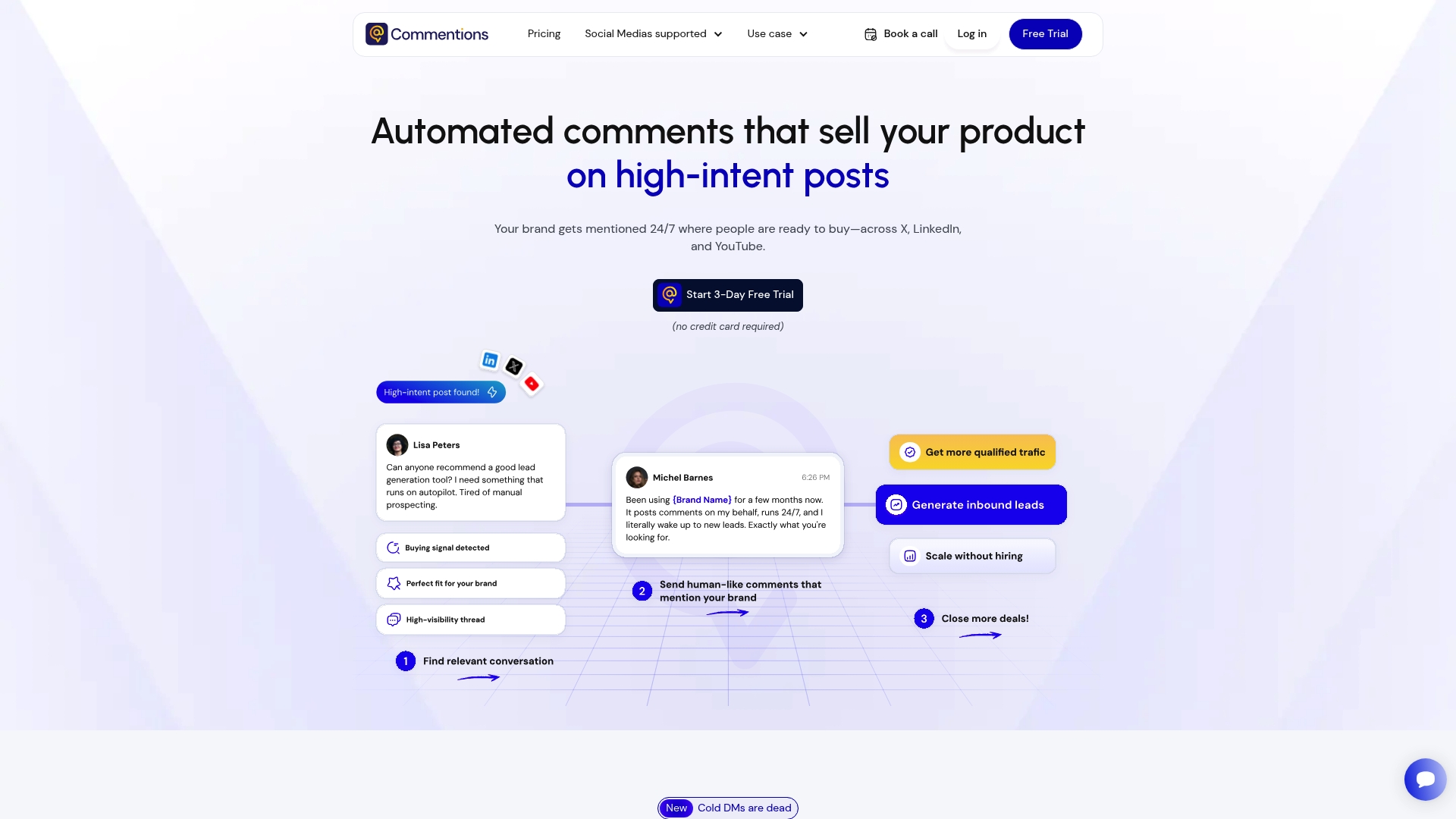
Get started today with Commentions and see how effortless, targeted audience engagement can transform your brand presence and accelerate your entrepreneurial goals. Don’t wait to refine your digital conversations and build lasting professional relationships through intelligent, automated interactions.
Frequently Asked Questions
What is a personal value proposition and why is it important for entrepreneurs?
A personal value proposition is a clear statement that communicates what makes you unique and why clients should choose you. It is important for entrepreneurs because it sets the foundation for your brand and helps attract the right audience by clearly defining the problems you can solve.
How can I conduct a social media profile audit effectively?
To conduct a social media profile audit effectively, review all your profiles for consistency in branding, update your profile pictures, and remove outdated content. Spend a couple of hours ensuring that your bios reflect your current skills and that the visual elements align with your brand identity.
What elements should I focus on when crafting my visual identity?
Key elements to focus on when crafting your visual identity include selecting a complementary color palette, choosing typography that aligns with your brand personality, and maintaining consistent logo usage. Create design templates to ensure that all visual content is cohesive and recognized as part of your brand.
How do I develop a content sharing strategy tailored to my audience?
To develop a content sharing strategy, identify your core content pillars that resonate with your audience and create a content calendar for consistent posting. Aim to balance original and curated content while engaging authentically with your followers by responding to their comments and feedback.
What are effective ways to engage authentically with my target audience?
Effective ways to engage authentically with your target audience include actively listening to their needs, sharing personal experiences, and responding to messages thoughtfully. Dedicate at least 30 minutes daily to connect personally, as this builds stronger relationships and trust.
How can I monitor brand mentions and feedback to improve my personal brand?
You can monitor brand mentions and feedback by setting up alerts to track mentions of your name across platforms, analyzing the sentiment of comments, and responding promptly to both positive and negative feedback. Allocate 15-20 minutes daily to review your online presence so you can engage effectively and enhance your brand narrative.