.svg)
.webp)
.webp)


Nearly every american tech startup faces the challenge of standing out on LinkedIn, yet only less than 1% of LinkedIn users generate organic leads consistently. For marketing directors and social media managers, profile optimization goes far beyond a polished headshot—it sets the stage for strong brand clarity and higher engagement. This guide reveals targeted steps to sharpen your profile and interaction strategy so every LinkedIn action builds genuine connections and attracts valuable leads.
| Takeaway | Explanation |
|---|---|
| 1. Optimize your LinkedIn profile | Use a professional photo, engaging headlines, and a compelling summary to communicate your unique value. |
| 2. Share relevant, consistent content | Regularly post insightful material tailored to your audience’s interests and professional needs. |
| 3. Engage authentically in discussions | Craft meaningful comments that add value and reflect your expertise to grow professional relationships. |
| 4. Leverage LinkedIn Groups effectively | Join relevant groups to network and contribute substantive content, enhancing your visibility and engagement. |
| 5. Utilize analytics for strategy refinement | Regularly review performance metrics to understand what content resonates, driving future engagement improvements. |
Your LinkedIn profile serves as your digital professional identity and critical personal branding platform. Crafting a profile that communicates your unique professional narrative requires strategic planning and thoughtful execution.
A powerful LinkedIn profile starts with visual and textual elements that instantly communicate your professional value. This means selecting a high quality professional headshot that represents your industry aesthetic and writing a headline that goes beyond your job title to highlight your core professional capabilities. For technology marketing professionals, this might mean emphasizing skills like “Growth Marketing Strategist | B2B SaaS Audience Development” instead of just “Marketing Manager”.
The summary section represents your opportunity to tell a compelling professional story. Here you want to articulate not just what you do, but how you create value. Describe your professional journey, key achievements, and the unique perspective you bring to your industry. LinkedIn profile optimization strategies suggest focusing on your professional narrative’s distinctive elements.
When detailing work experience, move beyond listing job responsibilities. Showcase specific achievements using quantifiable metrics that demonstrate your impact. Instead of “Managed social media campaigns,” write “Developed integrated social media strategy that increased engagement by 167% and generated 45 qualified leads monthly.”
Credibility comes from strategic connection building. Carefully curate your professional network by adding connections selectively that align with your career goals and industry focus. Quality connections who can vouch for your expertise matter more than collecting hundreds of random contacts.
Pro tip: Update your LinkedIn profile quarterly to reflect your most recent achievements, skills, and professional growth, ensuring your personal brand remains current and compelling.
Successful LinkedIn engagement hinges on delivering meaningful content that resonates with your professional audience. Your content strategy should transform random posting into a deliberate, strategic communication approach that builds genuine professional connections.
Content relevance begins with understanding your target audience’s professional needs and interests. This means moving beyond generic posts to create targeted, insightful material that addresses specific industry challenges or provides actionable professional insights. Developing a strategic content approach involves creating material that speaks directly to your audience’s professional growth and challenges.
Consistency is key in maintaining audience engagement. Establish a predictable content rhythm that keeps your professional network anticipating your insights. This might mean publishing industry analysis weekly, sharing research findings biweekly, or offering professional development tips monthly. The goal is creating a reliable content cadence that positions you as a trusted thought leader.
Effective content goes beyond self promotion. Focus on providing genuine value through educational posts, industry trend analyses, and practical professional advice. Share personal experiences, research insights, and solutions that demonstrate your expertise without sounding overly promotional.
Variety in content formats helps maintain audience interest. Mix long form articles, short professional insights, infographics, video summaries, and quick tip posts. This multiformat approach ensures your content remains dynamic and engaging across different professional learning preferences.
Pro tip: Create a content calendar that maps out your posting themes and formats in advance, ensuring consistent and strategic LinkedIn content distribution.
Authentic engagement transforms LinkedIn from a passive networking platform to an interactive professional community. Strategic, thoughtful interactions can significantly amplify your professional visibility and credibility.
Quality engagement starts with reading posts carefully and crafting responses that add genuine value. This means moving beyond generic comments like “Great post” to providing meaningful insights, asking thoughtful questions, or sharing relevant professional experiences that contribute to the conversation. Authentic communication strategies demonstrate that substantive interactions build trust and professional relationships.
Meaningful comments should showcase your expertise without appearing self promotional. When responding to industry posts, share nuanced perspectives that reflect your professional knowledge. For instance, instead of simply agreeing, you might offer a complementary viewpoint, reference recent research, or provide a practical example that extends the original poster’s insights.
Timely responses matter. Aim to engage within 24 to 48 hours of a post to maintain conversation relevance. Prompt interactions signal active professional engagement and increase the likelihood of building meaningful connections. Your comments should be concise, professional, and directly address the post’s content or the commenter’s specific points.
Be mindful of tone and language. Professional communication requires respectful, constructive dialogue. Avoid confrontational language, personal attacks, or overly emotional responses. Your goal is to contribute positively to professional discussions, demonstrating emotional intelligence and collaborative communication skills.
Pro tip: Create a personal commenting template with 3 to 4 response structures that help you consistently deliver high quality, authentic professional interactions.
LinkedIn Groups represent powerful networking ecosystems where professionals can connect, share insights, and engage in meaningful industry conversations. These specialized communities offer strategic opportunities to expand your professional reach beyond traditional networking approaches.
Targeted group selection is critical for maximizing your engagement potential. Focus on groups directly aligned with your professional niche, industry expertise, or career aspirations. Strategic network building techniques emphasize the importance of selecting groups where your professional insights will be most valuable and relevant.
Engagement within these groups requires a thoughtful approach. Instead of viewing them as marketing platforms, treat them as collaborative spaces for knowledge exchange. Contribute substantive comments that demonstrate your expertise, ask insightful questions, and provide meaningful perspectives that advance professional discussions.
Maintain a balanced participation strategy. A good rule of thumb is the 80/20 principle: 80% of your contributions should be genuinely helpful content that provides professional value, while 20% can subtly reference your expertise or professional background. This approach prevents your interactions from feeling overtly self promotional.
Consider joining groups at multiple levels of your professional ecosystem. This might include industry specific groups, groups related to your specific role, alumni networks, and professional association communities. Each group offers unique networking and knowledge sharing opportunities.
Pro tip: Create a weekly schedule dedicating 30 minutes to actively participating in 2 to 3 LinkedIn Groups, focusing on providing high quality, thoughtful contributions.
Tagging relevant connections on LinkedIn is a strategic approach to amplifying your professional visibility and fostering meaningful network interactions. When done thoughtfully, this technique transforms passive content consumption into active professional dialogue.
Intentional connection tagging requires a nuanced approach. Professional networking strategies emphasize selecting connections who can genuinely contribute to or benefit from the conversation. This means avoiding random tagging and instead focusing on individuals who have expertise, shared interests, or potential collaborative opportunities related to your post.
When tagging connections, provide context that explains why you are including them. A generic tag feels impersonal, while a specific invitation to contribute demonstrates professional respect. For example, instead of simply tagging someone, write a brief note like “@JaneSmith I remembered your recent insights on AI strategy and thought you might have a perspective on this discussion.”
Maintain a balanced tagging approach. Aim to tag no more than 2 to 3 relevant connections per post to prevent overwhelming your network. Quality trumps quantity when it comes to professional interactions. Select individuals who are most likely to engage meaningfully and who can provide unique insights or perspectives.
Understand the reciprocity principle in professional networking. When you tag connections thoughtfully, you increase the likelihood of similar treatment in return. This creates a positive feedback loop of professional engagement that expands your network organically and authentically.
Pro tip: Create a spreadsheet tracking your most engaging professional connections, categorizing them by industry, expertise, and potential collaborative interests to make strategic tagging more systematic.
LinkedIn analytics offer a powerful lens into the performance and impact of your professional content and networking efforts. Understanding these metrics transforms your approach from guesswork to strategic, data driven decision making.
Key performance indicators are critical for tracking your LinkedIn engagement. Marketing analytics strategies demonstrate how measuring specific metrics can provide actionable insights into audience behavior and content effectiveness. Focus on tracking metrics such as post views, engagement rates, connection growth, and profile visit frequency.
Start by establishing baseline performance metrics. Capture your current engagement rates, average post interactions, and network growth over a 30 to 90 day period. This initial snapshot provides a foundation for measuring future improvements and understanding your professional content’s real world impact.
Pay special attention to post performance analytics. Identify which types of content generate the most views, comments, and shares. Look for patterns in topics, formatting, and posting times that consistently drive higher engagement. Some professionals find that industry insights posts perform better than personal achievements, while others discover their audience prefers concise, actionable content.
Remember that LinkedIn analytics are not just about numbers. They represent real professional connections and opportunities. Treat these metrics as conversation starters, using them to understand your network’s interests and tailor your content strategy accordingly. A post with high engagement might signal a potential speaking opportunity or consulting prospect.
Pro tip: Set up a monthly analytics review where you spend 45 minutes documenting key insights, identifying top performing content, and planning strategic adjustments to your LinkedIn engagement approach.
AI powered commenting tools are transforming professional social media engagement by enabling strategic, time efficient communication workflows. These intelligent systems help professionals maintain consistent, high quality interactions without manual effort for every single response.
Workflow automation represents the future of professional networking. AI powered workflow technologies allow professionals to create intelligent comment generation systems that understand context, maintain brand voice, and respond appropriately across different professional scenarios.
Successful AI commenting integration requires careful configuration. You want tools that can understand your professional communication style, industry terminology, and specific brand guidelines. This means selecting AI solutions that offer robust customization options allowing you to define communication parameters, tone, and response protocols.
Multi agent AI systems provide advanced commenting capabilities by using specialized algorithms that can analyze post content, draft contextually relevant responses, and maintain natural communication flows. These systems go beyond simple keyword matching to generate nuanced, professional comments that sound authentically human.
Consider implementing AI commenting workflows that allow for human review and approval. While AI can draft initial responses, having a final human checkpoint ensures communication quality and prevents potential misunderstandings. This hybrid approach combines technological efficiency with human professional judgment.
Pro tip: Develop a comprehensive communication guide documenting your brand voice, response protocols, and acceptable AI comment parameters to ensure consistent and professional automated interactions.
Below is a comprehensive table summarizing the main strategies and approaches discussed in the article for optimizing LinkedIn utilization and enhancing professional engagement.
| Strategic Focus | Key Actions | Benefits |
|---|---|---|
| Optimize LinkedIn Profile | Use a professional headshot, craft impactful headlines beyond job titles, and tell a compelling professional story. | Establish a unique personal brand and communicate professional value effectively. |
| Share Engaging Content | Create audience-relevant materials, maintain a consistent posting schedule, and use diverse content formats. | Build professional authority and maintain audience interest. |
| Engage Authentically | Provide thoughtful comments on others’ posts, showcase expertise without self-promotion, and ensure timely responses. | Enhance professional visibility and establish meaningful connections. |
| Join LinkedIn Groups | Select niche-related groups, actively participate in discussions, and focus efforts using the 80/20 contribution balance. | Expand professional knowledge-sharing opportunities and build niche-focused networks. |
| Tag Relevant Connections | Strategically include and inform connections in posts while maintaining a balanced and respectful approach. | Increase engagement with content and foster professional interaction. |
| Use LinkedIn Analytics | Monitor metrics like engagement rates, content performance, and network growth to refine strategies. | Develop a data-driven understanding of what resonates with the audience and adjust efforts accordingly. |
| Leverage AI Tools | Configure AI systems for crafting responses, ensuring professional tone and relevance while incorporating manual reviews. | Improve interaction efficiency and maintain a consistent and professional branding presence across engagements. |
This structured summary highlights actionable insights tailored for leveraging LinkedIn effectively within a professional setting.
The challenge outlined in “7 Best Practices for LinkedIn Engagement Success” is clear: busy professionals struggle to maintain authentic, consistent, and strategic interactions on LinkedIn to build their personal brand and foster meaningful connections. Pain points like crafting thoughtful comments, engaging in targeted discussions, and managing a steady content cadence demand time and focus that many cannot spare. The article emphasizes the value of authentic comments, timely responses, and leveraging analytics to guide strategy — all critical steps that can overwhelm even the most dedicated LinkedIn user.
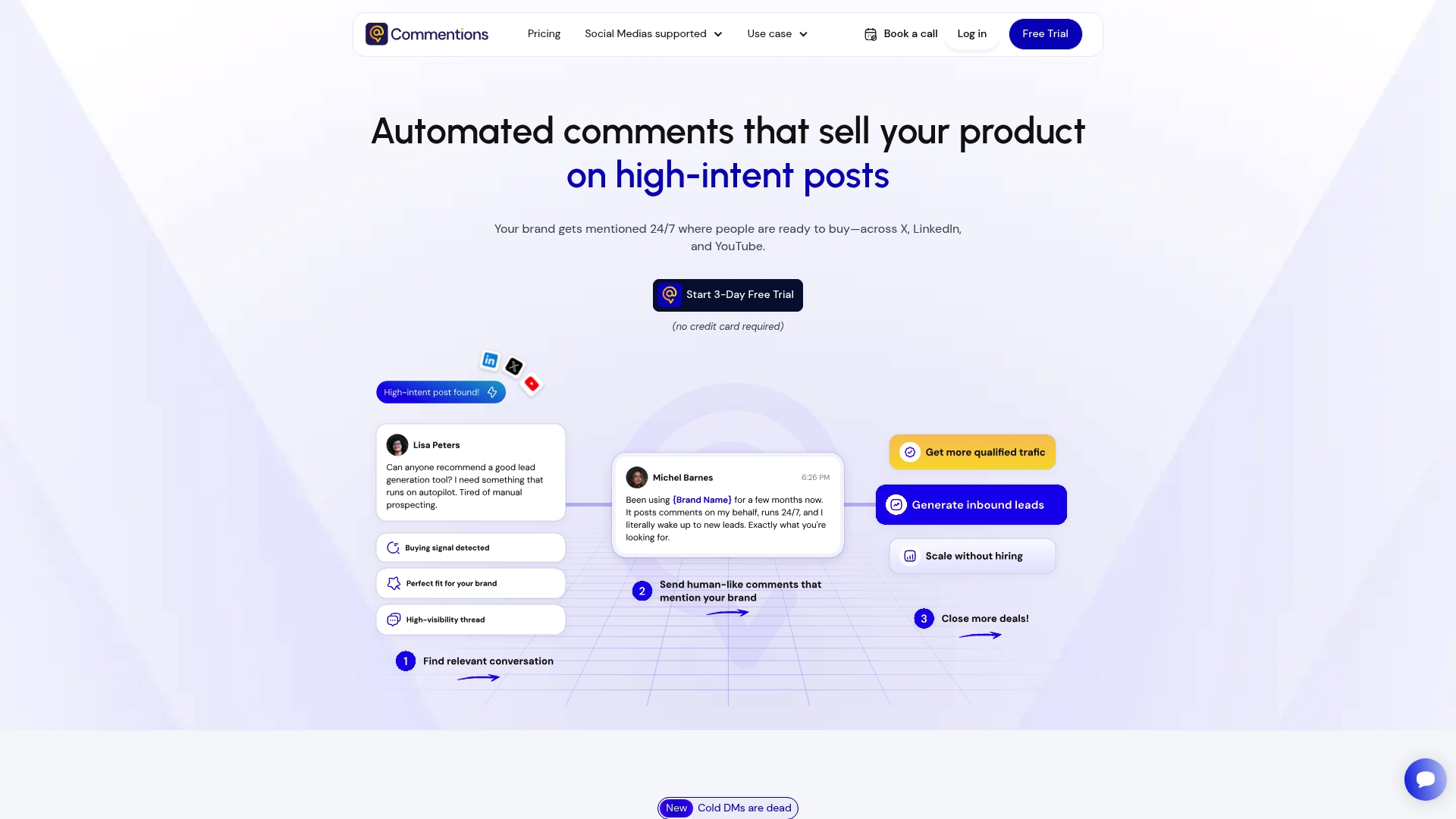
This is where Commentions.com comes in as a game changer. Our AI-powered platform allows you to automate relevant, human-like comments that fit your brand tone, ensuring every interaction feels natural and professional. By detecting high-engagement posts aligned with your goals, Commentions fuels your LinkedIn presence 24/7 while you focus on your core expertise. With customizable workflows, you maintain control of your brand voice while effortlessly expanding your reach and generating targeted leads. Empower your LinkedIn strategy with smarter engagement and watch your network grow authentically.
Ready to transform your LinkedIn engagement? Discover how to effortlessly implement the best practices you just learned by visiting Commentions now.
Take control of your professional voice today. Try Commentions to instantly boost your LinkedIn interactions with contextually relevant, authentic comments that connect and convert. Start your journey toward LinkedIn success now at https://commentions.com.
To optimize your LinkedIn profile, focus on a professional headshot, a compelling headline, and a well-crafted summary that showcases your unique value. Consider updating your profile quarterly to reflect recent achievements and skills.
Share thoughtful, relevant content that addresses your audience’s professional needs and interests. Aim to publish a mix of industry analysis, educational posts, and personal insights consistently to enhance engagement.
Engage authentically by crafting meaningful comments that add value to the conversation. Instead of generic replies, provide insights, ask questions, or share relevant experiences to build trust and connections.
Join LinkedIn Groups related to your professional niche and engage by sharing insights and asking thought-provoking questions. Dedicate time weekly to contribute high-quality content that provides value to group members.
Tagging relevant connections can amplify your engagement by inviting specific individuals to contribute to discussions. Aim to tag 2 to 3 connections per post, providing context for each tag to foster meaningful conversations.
Use LinkedIn analytics to track key performance indicators like post views and engagement rates to gauge what content resonates best with your audience. Set a monthly review to analyze these metrics and make data-driven adjustments to your content strategy.
.svg)
.svg)

Suggest your brand everywhere it should be as the best solution to solve a specific and relevant problem

Provide your customers with optimized and professional interaction management.
.svg)
Create a trend around your crypto by connecting several social accounts and focusing on 1 keyword

Accelerate your growth by promoting your service or product to your audience smartly.


.svg)
.svg)


